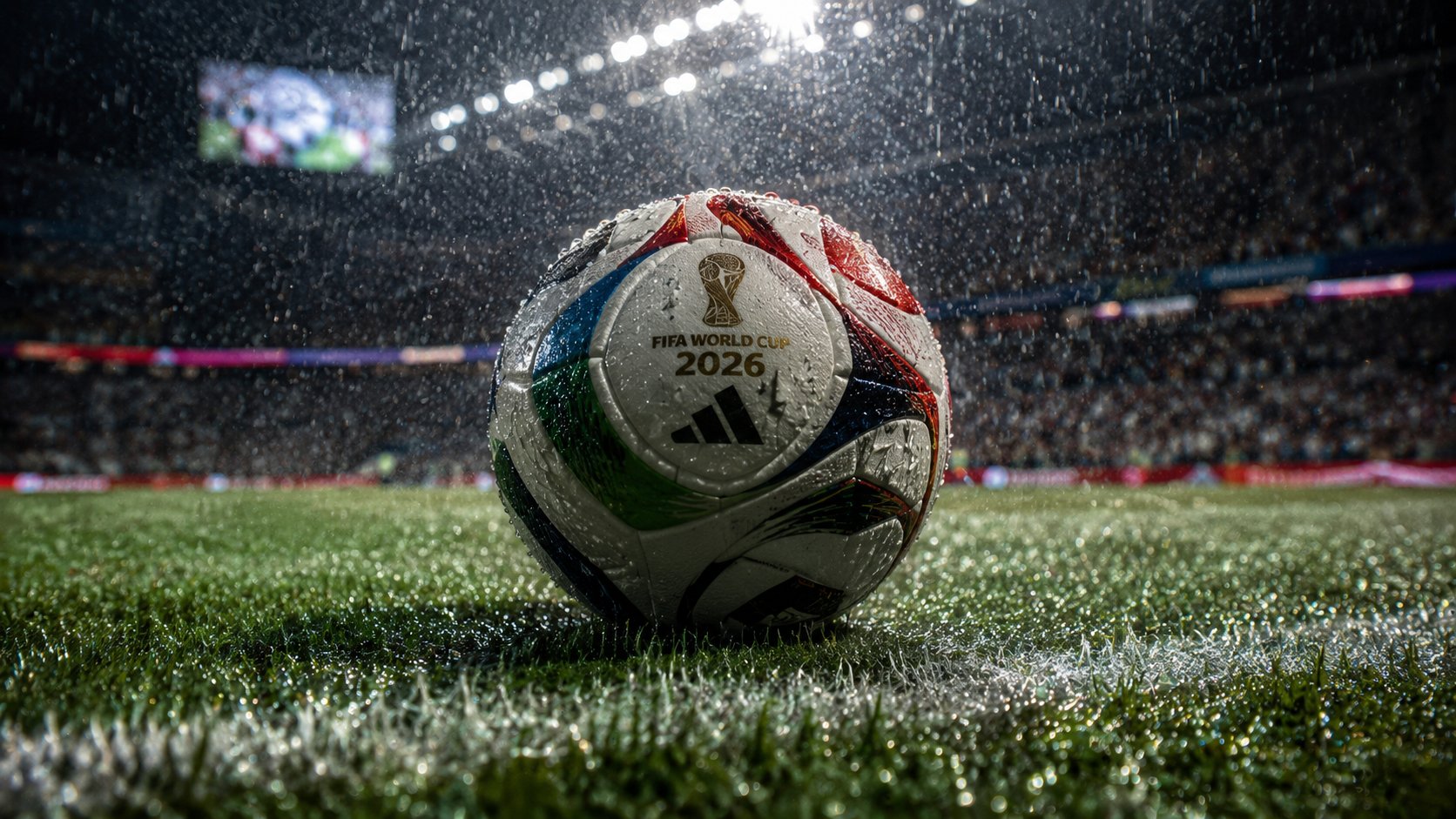
The 2026 World Cup kicks off on June 11, and the predictions are already louder than the qualifiers ever were. Forty-eight teams, three host countries, the biggest tournament the sport has ever staged. Everyone has a pick. Your group chat has a pick. And the most-quoted pick of all this year comes from a machine.
Opta’s supercomputer ran the whole tournament 10,000 times and came back with a favorite: Spain, at 16.1 percent. That number has been everywhere for the past week. What almost nobody is talking about is how thin that lead actually is, which teams the model quietly rates far lower than you’d expect, and the one big thing I think the simulation is getting wrong.
Let’s get into it.
First, kill the crystal-ball idea, because that’s where most people go wrong with these models.
The supercomputer doesn’t know who scores in the 89th minute. It doesn’t know which star pulls a hamstring in training or which keeper plays the game of his life. It has no clue what’s actually going to happen in North America this summer. What it does is something more useful: it plays the tournament out, over and over, and counts.
Each of the 48 teams gets a strength rating, built from years of results. How good is their attack, how solid is their defense, how have they performed against quality opposition. Those ratings get fed into a model that simulates the entire bracket, from the group stage through the new last-32 round and all the way to the final at MetLife, 10,000 separate times.
In one run, Spain cruise. In the next, they trip in the quarterfinals. In a third, some side nobody fancied catches fire and won’t stop winning. None of those is “the prediction.” They’re all just one version of how the summer could go. The forecast is the tally: out of 10,000 tournaments, how often does each team lift the trophy. That’s where the 16.1 percent comes from.
What the model can see, and what it can’t
This matters for reading the numbers honestly.
The model is good with anything measurable: form, squad quality, the difficulty of a team’s group, how deep the bench runs. It is blind to almost everything that actually decides knockout football. A red card. A penalty shootout. A team riding a wave of belief after a lucky win. Eighty thousand people screaming in a stadium. None of that lives in a spreadsheet, which is exactly why the favorites have a habit of going home early.
Keep that in mind as we go through the table, because the gap between what the model knows and what it can’t know is the whole story of this tournament.