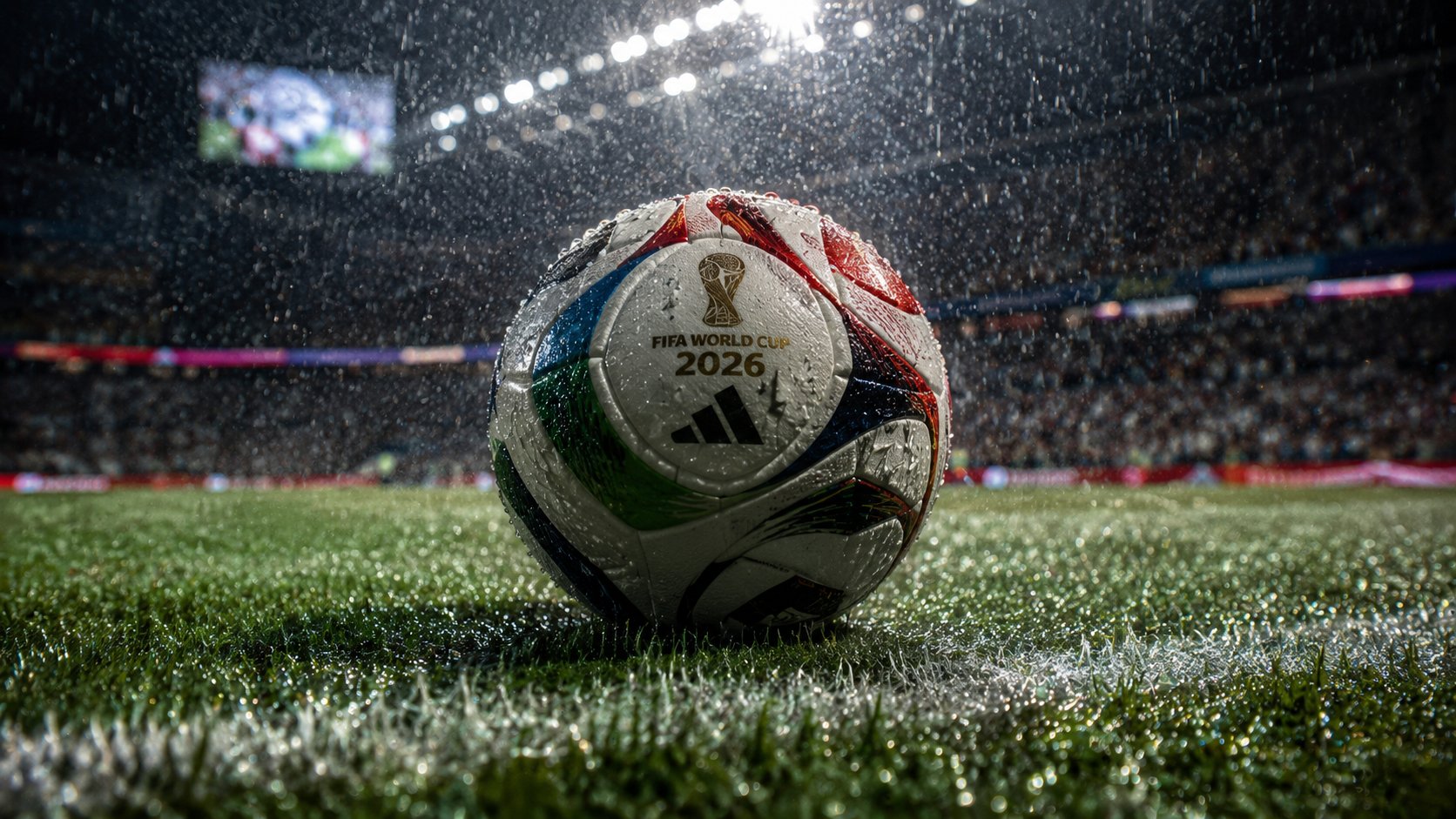
The 2026 World Cup kicks off on June 11, and the predictions are already louder than the qualifiers ever were. Forty-eight teams, three host countries, the biggest tournament the sport has ever staged. Everyone has a pick. Your group chat has a pick. And the most-quoted pick of all this year comes from a machine.
Opta’s supercomputer ran the whole tournament 10,000 times and came back with a favorite: Spain, at 16.1 percent. That number has been everywhere for the past week. What almost nobody is talking about is how thin that lead actually is, which teams the model quietly rates far lower than you’d expect, and the one big thing I think the simulation is getting wrong.
Let’s get into it.
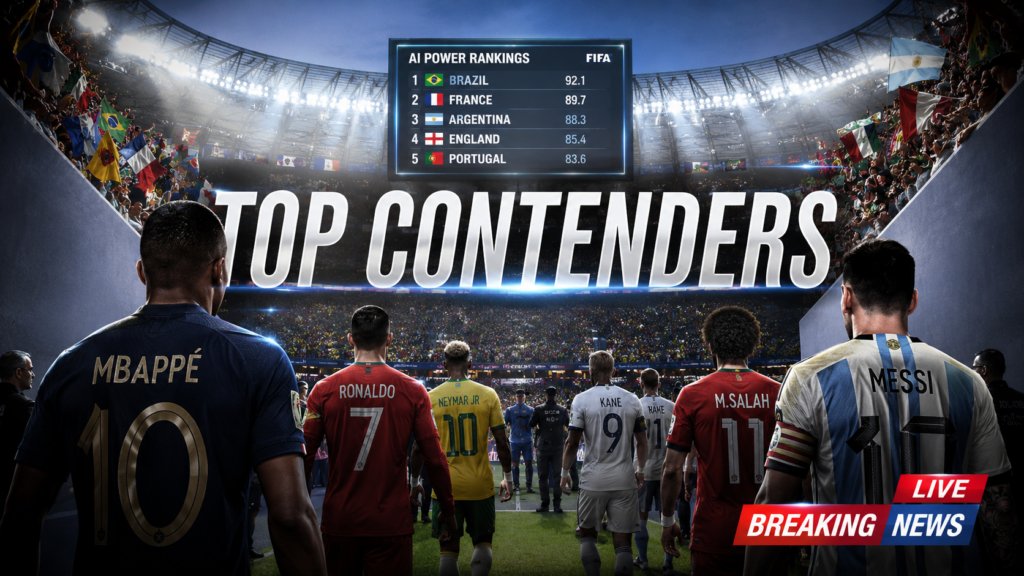
Now the part where I think the machine is wrong, or at least too cautious.
The supercomputer is cold on the co-hosts. The United States sit at 1.2 percent, Mexico at 1.0, Canada lower still. As title contenders, the model basically dismisses all three. And as a pick to win the trophy, that’s fair. None of these teams should be lifting it on July 19.
But “won’t win” and “won’t matter” are two very different things, and this is where models tend to undersell host nations.
Start with the thing that’s hard to put in a spreadsheet: home advantage, at a scale almost no one has experienced. Eleven of the sixteen venues are in the US. No transatlantic flights eating into recovery. Familiar cities, familiar food, familiar beds. Crowds screaming for you instead of at you. Hosts have a long track record of outperforming their pre-tournament odds, precisely because the model can’t measure what a partisan stadium does to a team in a tight game.
Then there’s the squad. American football has changed in about a decade. The best young US players aren’t developing only at home anymore; a lot of them are getting kicked around weekly in Europe’s toughest leagues, learning the speed of the game the hard way and early. That tends to produce a deeper, tougher, more tournament-ready team than the ones that came before. And the expanded 48-team format gives a side like that more room to find its feet before the real pressure arrives.
So no, I wouldn’t bet on the USA to win it. The 1.2 percent is honest. But I’d happily take “reaches the knockout rounds and becomes a genuine nuisance” over what the model implies, and I don’t think I’d be alone. Don’t confuse a low title probability with irrelevance. The hosts are going to be in the middle of this thing whether the supercomputer likes it or not.