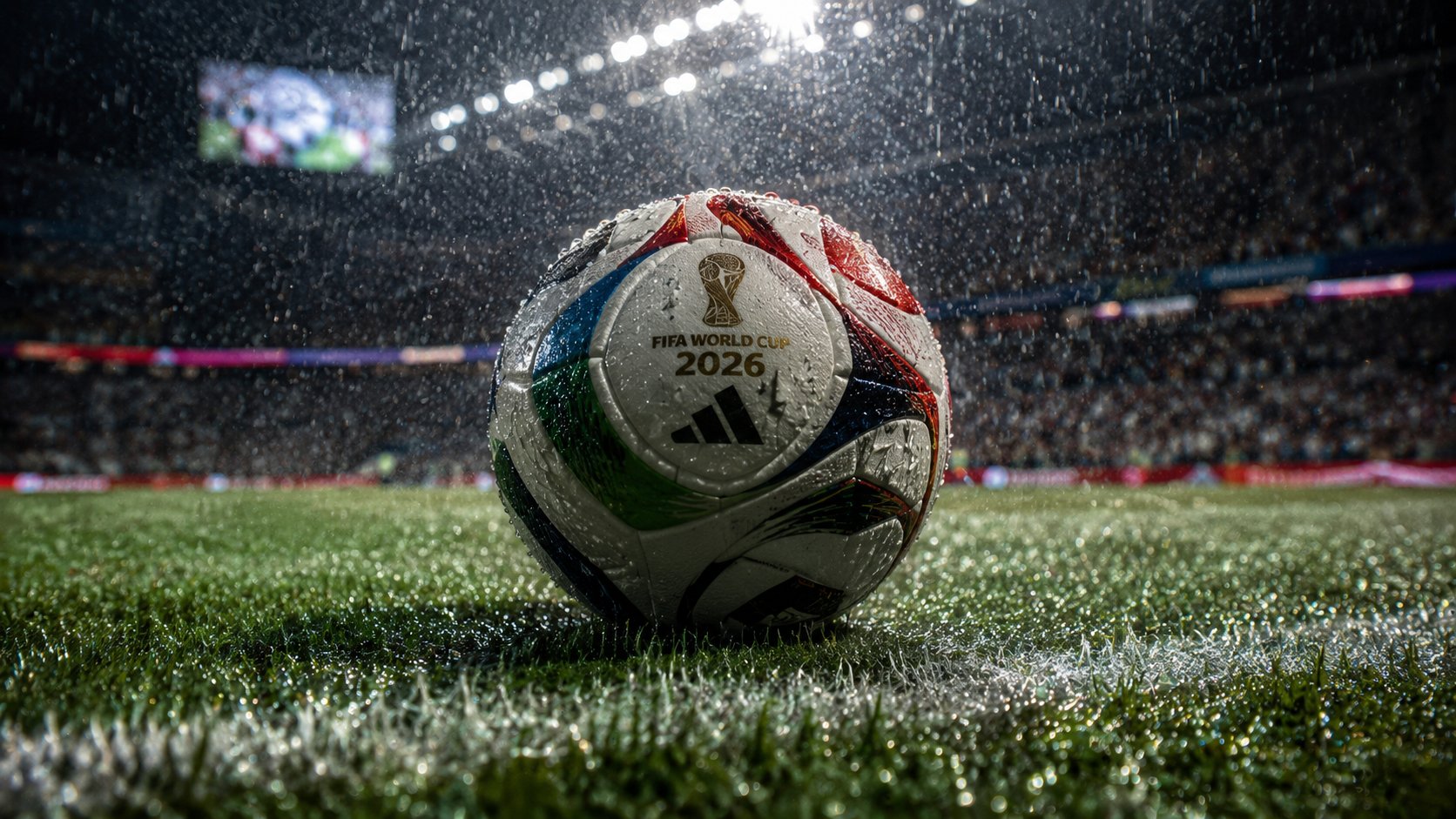
The 2026 World Cup kicks off on June 11, and the predictions are already louder than the qualifiers ever were. Forty-eight teams, three host countries, the biggest tournament the sport has ever staged. Everyone has a pick. Your group chat has a pick. And the most-quoted pick of all this year comes from a machine.
Opta’s supercomputer ran the whole tournament 10,000 times and came back with a favorite: Spain, at 16.1 percent. That number has been everywhere for the past week. What almost nobody is talking about is how thin that lead actually is, which teams the model quietly rates far lower than you’d expect, and the one big thing I think the simulation is getting wrong.
Let’s get into it.

Every World Cup has a team that wasn’t supposed to be there. The model can’t name which one, but it can tell you they’re likely, and a few names are worth circling now.
Norway are the obvious one. They’re back at a World Cup for the first time since 1998, and they did it with Erling Haaland banging in goals alongside Martin Ødegaard. The supercomputer thinks enough of them that they’re part of the reason France’s group looks so dangerous. A team with that kind of attacking firepower and a long-overdue return is exactly the profile that catches fire.
Then there are the four debutants: Cape Verde, Curaçao, Jordan, and Uzbekistan. At least one nation making its first appearance usually does something nobody saw coming, and an expanded field gives them more chances to do it.
The reasons underdogs travel haven’t changed, they’ve just gotten stronger. Organized teams that defend as a unit are a nightmare in tight games, and tight games decide tournaments. Young squads bring legs and fearlessness, and when nobody expects anything from you, that’s a weapon. Most of all, the talent gap has closed: players from everywhere now develop in Europe’s top leagues, and coaching and sports science have spread far beyond the traditional powers. The minnows aren’t minnows like they used to be. The model knows it. The favorites should too.